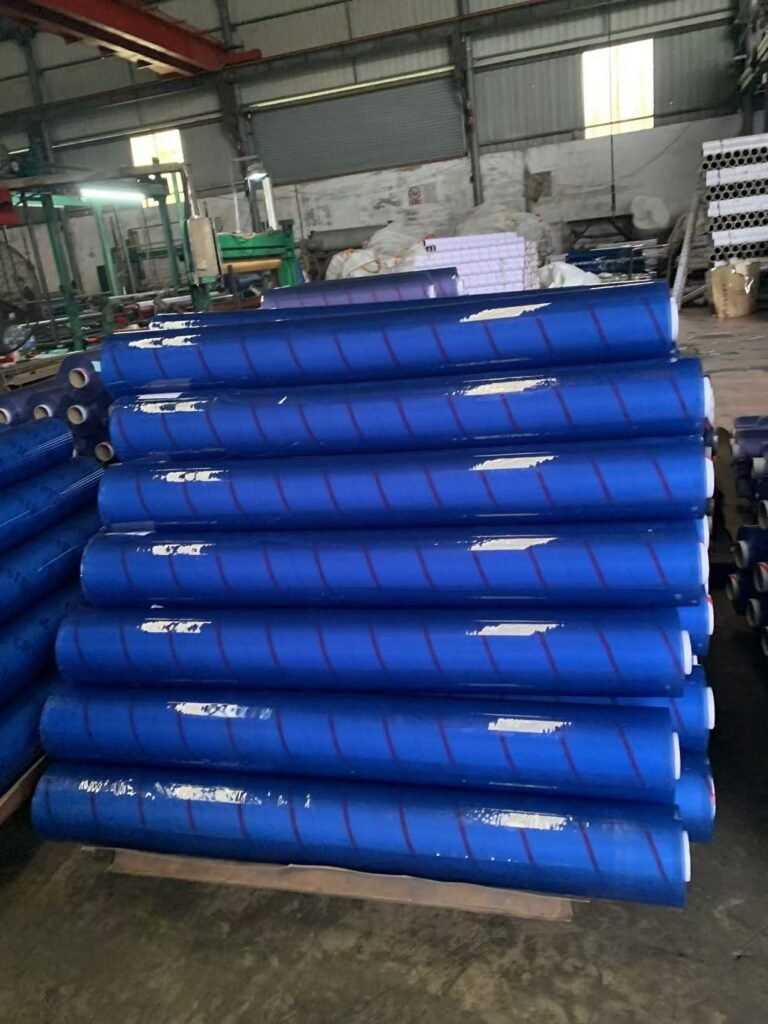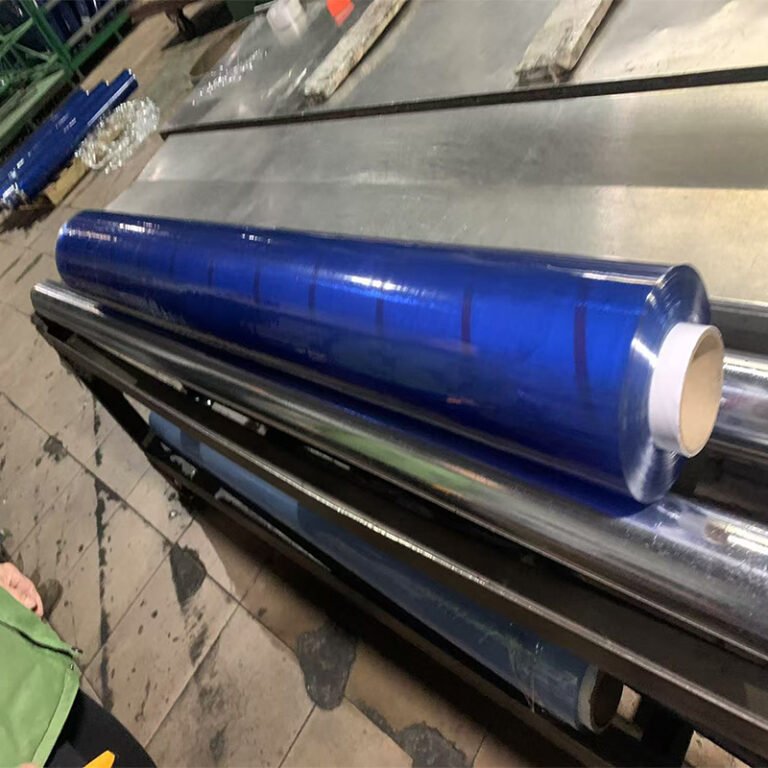
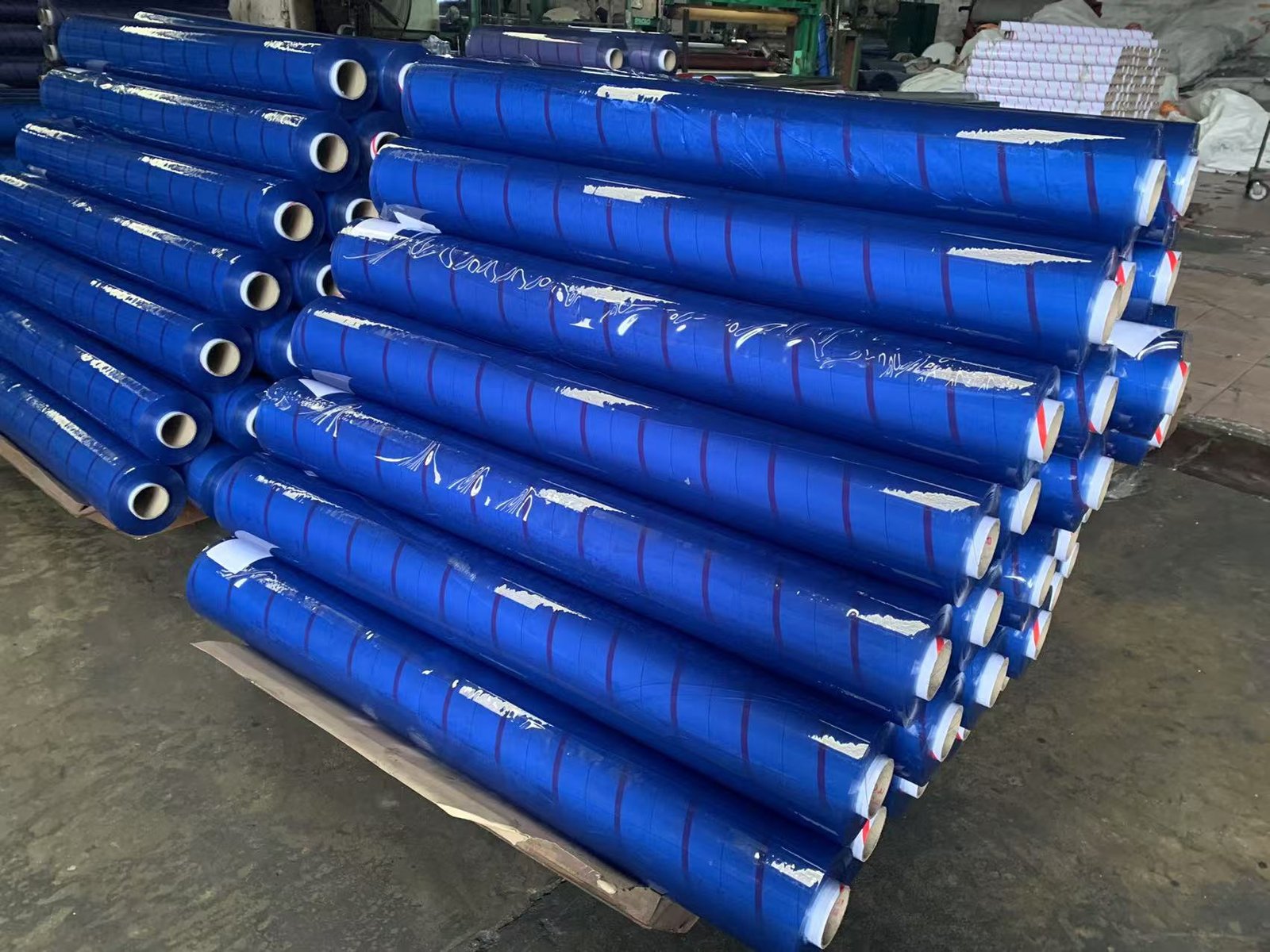
What is the fire – retardant property of PVC super clear film rolls?
What is the fire – retardant property of PVC super clear film rolls?
What is the fire – retardant property of PVC film rolls?
As a supplier of PVC film rolls, I’ve encountered numerous inquiries about the fire – retardant properties of our products. In this blog, I’ll delve into what fire – retardant properties of PVC film rolls entail, how they are achieved, and their significance in various applications.
Understanding Fire – Retardant Properties
Fire – retardant materials are substances that are designed to slow down or prevent the spread of fire. When it comes to PVC film rolls, the fire – retardant property refers to the ability of the film to resist ignition, limit the spread of flames, and reduce the amount of heat released during a fire.
PVC, or polyvinyl chloride, is a synthetic plastic polymer. By itself, PVC has some inherent fire – resistant characteristics due to the presence of chlorine in its chemical structure. Chlorine is a halogen, and halogens have a tendency to release hydrogen halide gases when exposed to high temperatures. These gases can act as flame inhibitors by interfering with the chemical reactions that sustain a fire.
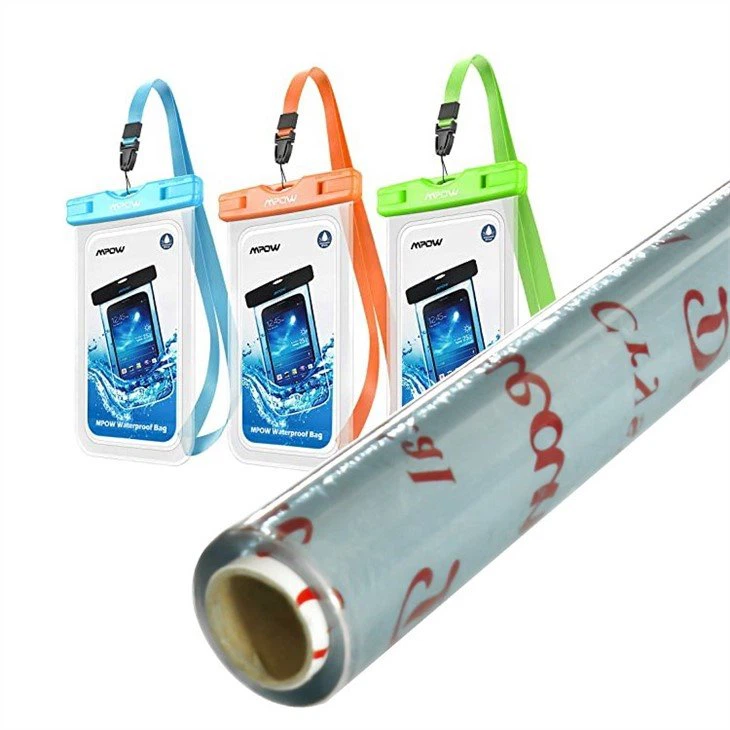

How Fire – Retardant PVC Film Rolls are Made
To enhance the fire – retardant properties of PVC film rolls, manufacturers often add fire – retardant additives during the production process. These additives can be classified into several types, including halogen – based, phosphorus – based, and inorganic additives.
Halogen – based additives, such as brominated or chlorinated compounds, work by releasing halogen radicals when heated. These radicals react with the free radicals in the flame, disrupting the combustion process and reducing the flammability of the PVC film. However, there are some environmental concerns associated with halogen – based additives, as they can release toxic and corrosive gases when burned.
Phosphorus – based additives are another popular choice. They can form a protective char layer on the surface of the PVC film when exposed to heat. This char layer acts as a barrier, preventing oxygen from reaching the underlying material and reducing the heat transfer. Phosphorus – based additives are generally considered more environmentally friendly than halogen – based ones.
Inorganic additives, like aluminum hydroxide or magnesium hydroxide, can also be used. These additives decompose endothermically when heated, absorbing heat from the fire and releasing water vapor. The water vapor dilutes the flammable gases and reduces the oxygen concentration around the fire, helping to suppress the flames.
Significance in Different Applications
The fire – retardant property of PVC film rolls is crucial in many applications.
In the construction industry, PVC film rolls are used for various purposes, such as wall coverings, ceiling films, and window films. Fire – retardant PVC films can help prevent the rapid spread of fire in buildings, providing valuable time for people to evacuate and reducing property damage. For example, in commercial buildings, where large numbers of people gather, using fire – retardant PVC films can significantly enhance fire safety.
In the automotive industry, PVC film rolls are used for interior trim, seat covers, and insulation. Fire – retardant PVC films can reduce the risk of fire in vehicles, protecting passengers and minimizing the damage caused by a potential fire.
In the packaging industry, especially for products that are flammable or require high – safety standards, fire – retardant PVC film rolls can be used. For instance, the Super Clear PVC Film for Plastic Product can be used to package electronic devices or other products that need protection from fire hazards. The PVC Super Clear Film use for Cosmetic Bag and PVC Super Clear Film use for Dust Bag can also be made fire – retardant to ensure safety during storage and transportation.
Testing and Standards
To ensure the fire – retardant performance of PVC film rolls, various testing methods and standards are used. One of the most common standards is the UL 94 standard, which classifies plastics according to their flammability. The UL 94 ratings include V – 0, V – 1, and V – 2, with V – 0 being the most fire – resistant.
Another important standard is the ISO 3795 standard, which is used to evaluate the flammability of materials used in vehicles. This standard measures the rate of flame spread and the amount of heat released during a fire.
Manufacturers of PVC film rolls typically conduct these tests on their products to ensure compliance with relevant standards. Customers can also request test reports to verify the fire – retardant properties of the PVC film rolls they are purchasing.
Choosing the Right Fire – Retardant PVC Film Rolls
When choosing fire – retardant PVC film rolls, there are several factors to consider. First, you need to determine the specific application and the required fire – retardant level. Different applications may have different fire – safety requirements, so it’s important to choose a film that meets those requirements.
Second, consider the environmental impact of the fire – retardant additives. As mentioned earlier, some additives may have negative environmental effects, so you may want to choose a film with more environmentally friendly additives.
Finally, consider the quality and price of the PVC film rolls. While fire – retardant properties are important, you also want to ensure that the film has good mechanical properties, such as strength, flexibility, and transparency. And of course, you need to balance the quality with the price to get the best value for your money.
Conclusion
The fire – retardant property of PVC film rolls is a vital characteristic that offers enhanced safety in a wide range of applications. As a PVC film roll supplier, we are committed to providing high – quality fire – retardant PVC film rolls that meet the diverse needs of our customers. Whether you are in the construction, automotive, or packaging industry, our fire – retardant PVC film rolls can provide the protection you need.
If you are interested in our fire – retardant PVC film rolls or have any questions about their fire – retardant properties, please feel free to contact us for further discussion and procurement negotiation. We look forward to working with you to find the best PVC film solutions for your specific requirements.
References
- “Fire Retardancy of Polymeric Materials” by Charles A. Wilkie.
- “Plastic Additives Handbook” edited by Hans Zweifel.
- UL 94 Standard for Tests for Flammability of Plastic Materials for Parts in Devices and Appliances.
- ISO 3795:2009 Road vehicles — Interior materials — Determination of burning behavior.